Urban Parenting
Newborn sleep in small apartments
The Urban Doula understands that newborn sleep in small city apartments can feel unpredictable, fragmented, and emotionally exhausting, especially when your home is shared with constant noise, limited space, and ongoing urban activity. Unlike quiet suburban environments, city living rarely offers complete silence, which means sleep routines need to be built around realism, not ideal conditions.
Newborn sleep is naturally irregular in the early weeks. Babies wake often for feeding, comfort, and regulation, and this alone can feel overwhelming. In small apartments, these natural sleep cycles are often made harder by external factors like street noise, neighbors, elevators, sirens, and building sounds that continue throughout the day and night. Understanding this helps reduce the pressure to “fix” sleep and instead focus on managing the environment as best as possible.
The goal is not perfect silence, it is creating consistency and comfort within the space you already have. Simple adjustments like dim lighting, white noise, soft swaddling, and keeping a predictable bedtime rhythm can help signal safety and rest for your baby. Even in compact rooms, small environmental cues can make a noticeable difference over time.
Organization also plays a key role in small apartments. Keeping baby essentials within reach reduces stress during nighttime care. When everything has a simple, accessible place, you minimize movement and disruption, which helps both parent and baby return to rest more easily after waking. For families also considering household environmental factors, NYC apartment lead water testing can be part of understanding the home environment. keywords(7)
Emotional expectations matter just as much as physical setup. Many parents feel frustrated when newborn sleep doesn’t match what they imagined. But early sleep is not about schedules, it is about development, adjustment, and connection. Giving yourself permission to accept irregularity reduces emotional pressure and helps you respond with more patience.
Partners and support systems are especially valuable during this stage. Sharing nighttime responsibilities, even in small ways, can significantly reduce exhaustion and help maintain emotional balance in tight living spaces.
Newborn sleep in city apartments is not about perfection. It is about creating enough calm, structure, and support so both baby and parent can gradually find rhythm within the realities of urban life.

How to handle noise, light, and neighbors
The Urban Doula recognizes that one of the biggest challenges of raising a newborn in a city apartment is not just caring for the baby — it’s managing the environment around you. Noise, constant light, and close neighbors can all affect sleep, recovery, and emotional balance in ways that feel hard to control, especially in dense urban living.
Noise is often the most persistent factor. Sirens, traffic, building sounds, footsteps, elevators, and neighbor activity can interrupt sleep cycles for both parents and newborns. Instead of aiming for complete silence, which is rarely realistic in cities, the focus shifts toward buffering sound. Many parents find that steady background noise like a fan or white noise helps soften sudden disruptions so the baby’s sleep is less easily disturbed.
Light is another important element, especially in small apartments where controlling brightness can be difficult. Streetlights, hallway lighting, or early morning sun can interfere with rest. Using soft, dim lighting during nighttime care helps signal to both you and your baby that it is still rest time. Even small adjustments like blackout curtains or covering bright electronics can reduce overstimulation in the sleep environment.
Neighbor dynamics are also part of urban parenting, even if they are not always openly discussed. Shared walls, floors, and ceilings mean you may hear others — and others may hear you. This can create emotional pressure, especially when babies cry frequently in the early weeks. It helps to remember that newborn crying is normal and temporary, and most urban neighbors are more understanding than you might expect.
Managing this aspect of city life is often about emotional resilience as much as practical solutions. Accepting that some level of noise and disruption is part of your environment can reduce stress and help you focus on what you can control — your routines, your responses, and your calm presence.
The goal is not to eliminate city life around you, but to create enough internal calm and environmental support so your baby can rest, and you can recover with more ease despite the realities of urban living.

Bathing newborns in tiny bathrooms
The Urban Doula encourages a simple truth that often gets overlooked during pregnancy in busy city life: movement does not need to be intense to be effective. In fact, during pregnancy, the most supportive form of movement is often slow, gentle, and consistent rather than structured or high effort.
In urban environments, the body carries extra physical load from daily routines — commuting, standing, walking on hard surfaces, climbing stairs, and sitting for long periods. Over time, this creates tension in the lower back, hips, shoulders, and legs. Pregnancy-safe movement is designed to gently release that built-up pressure rather than add more stress to the body.
Gentle stretching helps improve circulation, reduce stiffness, and support overall comfort. Simple movements such as slow hip openers, light spinal rotations, and controlled breathing-based stretches can help the body feel more spacious and relaxed. The focus is not flexibility or performance, but relief and awareness.
One of the most important aspects of pregnancy-safe movement is listening to your body instead of pushing it. Some days your energy will feel higher, and other days even small movement may feel like enough. Both are valid. The goal is not consistency in intensity, but consistency in care.
Movement also plays a powerful role in emotional wellbeing. In overstimulating city environments, the nervous system can feel overloaded from noise, pressure, and constant activity. Slow stretching and mindful breathing help signal safety to the body, creating moments of calm in an otherwise fast-moving day.
You don’t need a gym, equipment, or a large space to support your body. Even a few minutes in a small apartment, near a window, or beside your bed can be enough to reset tension and improve comfort.
Pregnancy-safe movement is not about changing your body into something new. It is about supporting the body you already have as it carries you through a physically and emotionally demanding transition.

Organizing baby essentials in tight spaces
The Urban Doula understands that one of the biggest challenges for new parents in city living is not just caring for a newborn — it’s managing everything that comes with it inside a limited space. Small apartments, shared rooms, narrow storage areas, and busy daily routines can quickly make baby organization feel overwhelming if there is no simple system in place.
Organizing baby essentials in tight spaces is less about having more storage and more about using what you already have in a smarter, more intentional way. The goal is to reduce chaos, save time, and make everyday baby care easier during already exhausting postpartum weeks.
A helpful approach is creating “access zones” rather than trying to store everything in one place. This means keeping the most frequently used items — diapers, wipes, clothes, burp cloths, and feeding supplies — within arm’s reach of where you spend most of your time. In small apartments, this often means setting up multiple mini-stations instead of one central storage area.
Vertical space also becomes important in city homes. Using shelves, wall organizers, under-bed storage, and over-door pockets can free up valuable floor space while still keeping essentials accessible. The key is to avoid clutter while ensuring everything has a defined place.
Another important part of organization is simplifying choices. In early postpartum life, too many options can actually increase stress. Keeping fewer, well-organized essentials reduces decision fatigue and makes daily routines smoother, especially during nighttime care when energy is low.
It also helps to prepare “grab-and-go” baskets or small kits for different needs such as diaper changes, feeding, or bathing. These portable setups make movement between rooms easier in tight spaces like walk-ups or compact apartments.
Emotional clarity is just as important as physical organization. A calm, structured environment helps reduce overstimulation and makes newborn care feel more manageable, even in a busy city setting.
Ultimately, organizing baby essentials in small spaces is about creating flow instead of clutter — a system that supports your energy, saves time, and makes everyday parenting feel less stressful and more grounded within urban living.
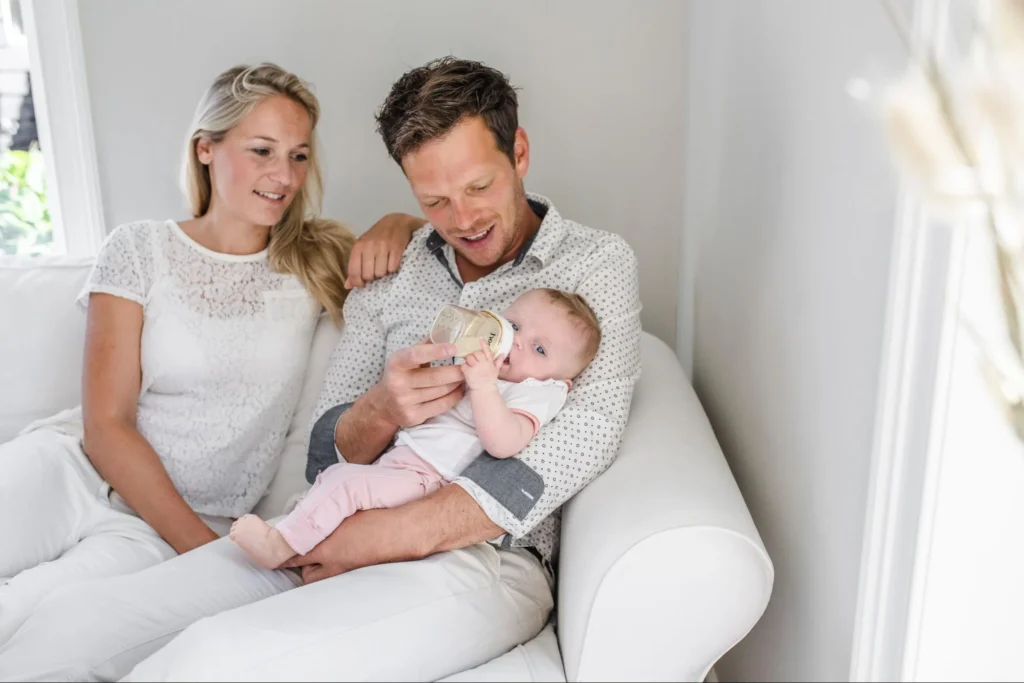
Navigating elevators, strollers, and stairs
The Urban Doula understands that one of the most underestimated parts of urban parenting is not birth itself, but everything that comes after it — especially the physical logistics of moving through a city with a newborn. Elevators, strollers, and stairs may sound simple, but in real city life they often become daily stress points that shape how manageable your postpartum experience feels.
In many urban buildings, elevators are not always reliable or immediate. You may face delays, maintenance issues, or crowded usage during peak hours. For new parents recovering physically and emotionally, waiting longer than expected or navigating small elevator spaces with a stroller can feel overwhelming. Planning extra time and reducing unnecessary trips outside the home can help lower stress in the early weeks.
Strollers, while essential, also bring their own challenges in tight city environments. Narrow hallways, small apartment entrances, busy sidewalks, and public transport access all require constant awareness and adjustment. Choosing a stroller that fits your building layout and lifestyle can make a significant difference in daily ease. Small design decisions often reduce long-term frustration more than expected.
Stairs are another reality for many city families, especially in walk-up buildings or older housing. After birth, climbing stairs can feel physically demanding depending on recovery, fatigue levels, and whether you have support. This is why postpartum planning often includes thinking ahead about how often you realistically need to go up and down, and when you can rely on help instead of doing everything yourself.
The emotional layer of these everyday tasks is just as important as the physical one. When you are sleep-deprived, healing, and adjusting to life with a newborn, even small logistical barriers can feel bigger than they normally would. This is not a reflection of capability — it is a reflection of recovery and overstimulation.
The goal is not to eliminate these challenges completely, because city living will always include movement, noise, and structure limitations. Instead, it is about creating systems, expectations, and support that reduce pressure where possible. When elevators, strollers, and stairs are approached with preparation and realistic planning, they become manageable parts of urban parenting rather than constant sources of stress.
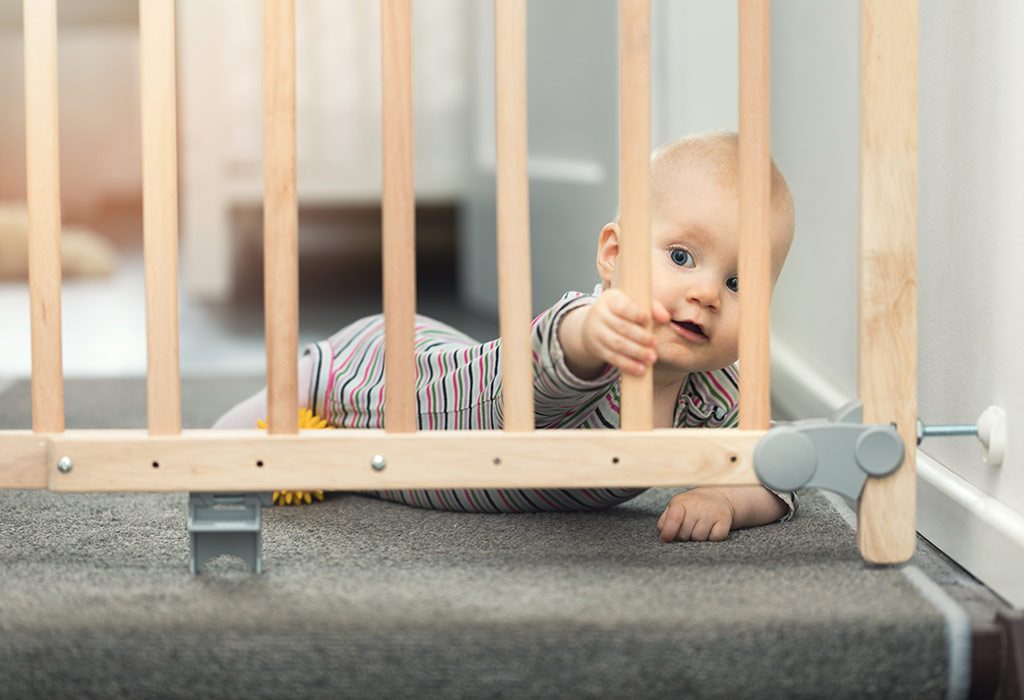
What brownstone and prewar living means for newborn routines
The Urban Doula recognizes that the type of building you live in can quietly shape your entire newborn experience. In cities like NYC and NJ, many families live in brownstones or prewar buildings, and while these homes have charm, history, and character, they also come with very specific realities that affect newborn routines in practical ways.
Brownstone and prewar buildings often have thinner walls, older plumbing, uneven heating or cooling systems, and shared structural layouts that make sound travel easily. This means newborn sleep routines can be more sensitive to outside noise such as neighbors, footsteps, street sounds, or building activity. Instead of expecting complete silence, parents often need to build flexible sleep strategies that work within a naturally noisy environment.
Lighting is another factor. Older buildings may have larger windows or less control over blackout conditions, which can affect daytime naps or early morning sleep cycles. Many families adapt by using soft lighting, layered curtains, or portable sleep solutions to help create a more consistent environment for rest.
Space layout also plays a role. Prewar apartments and brownstones often have segmented rooms, narrow hallways, or multi-level layouts. This can make newborn care routines more physically demanding, especially during nighttime feedings, diaper changes, and frequent soothing. Parents often find themselves moving between rooms more than expected, which adds to fatigue during early postpartum weeks.
At the same time, these buildings can also offer advantages. Many brownstones and prewar homes have more defined spaces, which can help separate sleep, feeding, and living areas — something that can support routine building over time when used intentionally.
The key is not trying to force modern “perfect nursery” expectations onto older urban homes. Instead, it is about adapting routines to fit the environment you actually live in — managing noise, simplifying movement, and creating small pockets of calm within a building that has its own rhythm.
Newborn routines in brownstone and prewar living are less about control and more about adaptation. With thoughtful adjustments, even complex urban housing can support a stable, comforting environment for both baby and parents.

NYC/NJ-specific parenting challenges and solutions
The Urban Doula focuses on the real, everyday reality of raising a baby in dense urban environments like New York City and New Jersey — where parenting is shaped not only by your child’s needs, but also by the pace, structure, and limitations of city life.
One of the biggest challenges in this region is space. Many families live in apartments, small rentals, or shared buildings where every square foot matters. Setting up a nursery often means adapting corners of bedrooms or living rooms instead of having a dedicated baby space. This requires thoughtful organization, minimalism, and systems that keep essentials accessible without creating clutter.
Noise is another constant factor. Sirens, traffic, neighbors, construction, and building sounds can all affect newborn sleep and parental rest. Instead of aiming for complete silence, many parents learn to build predictable sleep routines and use environmental adjustments like white noise, blackout curtains, and consistent calming cues to help babies settle.
Transportation and mobility also shape daily parenting life. Navigating elevators, subway stations, walk-ups, narrow sidewalks, and busy streets with strollers can be physically demanding. Even simple errands require planning, timing, and energy management in ways that suburban parenting often does not.
In addition, many NYC/NJ families rely on nearby support systems such as daycare centers, pediatricians, and hospitals that operate at high capacity. This means appointments, wait times, and scheduling often require flexibility and patience.
Emotional load is another hidden challenge. Fast-paced environments, limited personal space, and constant stimulation can increase stress for new parents, especially during postpartum recovery.
Solutions in urban parenting are not about eliminating challenges — they are about adapting to them. Creating simple home systems, building flexible routines, asking for help when needed, and prioritizing rest whenever possible all play a role in making city parenting more sustainable.
Urban parenting is not easier or harder — it is just different. And with the right strategies, families can build calm, connection, and confidence even within the intensity of NYC and NJ life.

Creating calm in high-density environments
The Urban Doula understands that calm feels harder to access when you are raising a child in high-density environments like NYC and NJ, where life is always in motion. Streets are busy, buildings are close together, noise travels easily, and privacy is limited. In these conditions, calm is not something that naturally exists — it has to be intentionally created in small, realistic ways inside everyday life.
High-density living affects both parents and newborns. Constant background noise, shared walls, elevators, traffic, and unpredictable sounds can keep the nervous system in a slightly activated state. Over time, this can lead to fatigue, irritability, and emotional overwhelm, especially during pregnancy and postpartum recovery when your body is already adjusting.
Creating calm does not mean removing the city around you. It means designing micro-environments of safety within it. This can be as simple as controlling light, reducing visual clutter, or creating a consistent sleep and feeding rhythm that helps your body and baby feel more grounded. Small, repeatable routines matter more than perfect conditions.
Sound management is often one of the most effective tools. Many urban parents use steady background sounds, soft music, or consistent sleep cues to reduce the impact of unpredictable city noise. It is not about silence — it is about predictability, which helps the nervous system relax.
Space also plays a role. Even in small apartments, dedicated calm zones can be created — a corner for feeding, a chair for rest, or a simplified sleeping area. When your environment feels organized and intentional, your mind often follows the same pattern.
Emotional calm is just as important as physical calm. High-density environments can create a sense of constant urgency, so learning to slow your internal pace becomes essential. Breathing practices, short pauses during the day, and limiting overstimulation from screens and social pressure can help regulate emotional energy.
Calm in city life is not about escaping the environment. It is about building stability inside it — so that even in the middle of noise, movement, and density, you and your baby can still feel safe, steady, and supported.