Emotional Wellness
Overstimulation in pregnancy and postpartum
The Urban Doula recognizes that overstimulation is one of the most overlooked challenges during pregnancy and the postpartum period, especially in busy urban environments like NYC and NJ. It doesn’t always show up as one obvious moment — it builds gradually through noise, responsibilities, lack of rest, emotional pressure, and constant sensory input from the environment around you.
Overstimulation can feel like irritability, mental fatigue, emotional sensitivity, difficulty focusing, or feeling “full” or overwhelmed even by small tasks. During pregnancy, your body is already working harder than usual, and in postpartum, your nervous system is adjusting to sleep disruption, hormonal changes, and the demands of caring for a newborn. When this is combined with city life — traffic, sirens, crowded spaces, small apartments, and social expectations — the system can become overloaded very quickly.
One of the key steps in managing overstimulation is awareness. Many parents normalize feeling constantly tired or emotionally reactive, but these are often signs that your nervous system needs rest and reduction in input, not more effort. Recognizing early signs helps prevent emotional burnout.
Creating moments of low stimulation during the day becomes essential. This does not require big lifestyle changes — it can be as simple as stepping away from noise for a few minutes, reducing screen time, sitting in silence, or dimming lights in your home environment. These small resets help the nervous system return to a calmer state.
Boundaries also play an important role. Limiting unnecessary conversations, reducing commitments, and protecting quiet time are not luxuries during this stage — they are part of maintaining emotional stability. In urban environments, where stimulation is constant, boundaries act as protection for your mental and physical energy.
Support systems are equally important. Having someone who understands your needs and can help reduce external pressure can significantly ease emotional load during both pregnancy and postpartum recovery.
Overstimulation is not a weakness — it is a natural response to too much input. With awareness, boundaries, and intentional rest, it becomes manageable, allowing you to move through pregnancy and postpartum with more calm, clarity, and emotional balance.

Techniques to reset your nervous system
The Urban Doula focuses on helping expecting and new parents understand that stress in pregnancy and early parenthood is not just emotional — it is physical. Your nervous system constantly responds to noise, pressure, fatigue, hormones, and overstimulation, especially in busy urban environments. When this system becomes overloaded, you may feel anxious, exhausted, irritable, or disconnected without fully understanding why.
Resetting your nervous system is about bringing your body back into a calmer, more regulated state. One of the most effective ways to do this is through slow, intentional breathing. When breathing becomes steady and deep, it signals safety to the body and helps reduce the fight-or-flight response that often builds during stressful days.
Grounding techniques are also powerful. These involve bringing your attention back to your physical environment instead of racing thoughts. Feeling your feet on the ground, noticing five things around you, or focusing on physical sensations can help interrupt emotional overwhelm and bring you back into the present moment.
Gentle movement is another way to reset. Slow stretching, walking, or releasing tension in the shoulders and jaw helps the body discharge built-up stress. Even a few minutes of movement can shift your internal state significantly, especially after long periods of sitting, commuting, or overstimulation.
Sensory reduction also plays an important role. Lowering noise, dimming lights, stepping away from screens, or finding quiet spaces allows your system to settle. In city life, where constant stimulation is normal, intentionally reducing input becomes essential for emotional balance.
Emotional regulation is not about ignoring stress, but allowing your body to process it safely. This might include journaling, talking to a supportive person, or simply taking a pause without pressure to be productive.
The goal is not to eliminate stress completely — that is unrealistic in urban life. The goal is to create small, consistent resets that help your nervous system recover throughout the day.
When practiced regularly, these techniques build resilience, improve emotional stability, and help you move through pregnancy and early parenting with more calm, clarity, and internal balance.

Identity shifts for new mothers
The Urban Doula approaches new motherhood as more than a physical transition. It is a deep identity shift that can feel disorienting, emotional, and at times unexpected. In urban environments like NYC and NJ, where life moves quickly and expectations are high, this shift can feel even more intense because there is often less space to pause and process what is happening internally.
Becoming a mother often changes how you see yourself in everyday life. Your priorities shift, your time feels different, your body changes, and even simple routines no longer look the same. Many new mothers experience several emotions at once: love, exhaustion, confusion, pride, grief for old routines, and pressure to “adjust quickly.” All of this can be part of the transition, even when it feels unfamiliar.
One of the most important parts of this transition is understanding that identity does not disappear. It evolves. You are not losing who you were before; you are expanding into a new version of yourself that now includes caregiving, emotional responsibility, and new forms of strength. This process takes time and cannot be rushed.
In busy city life, there is often pressure to keep functioning at the same pace immediately after birth. But emotional adjustment does not follow a schedule. Some days you may feel deeply connected to your new role, while other days may feel overwhelming or disconnected. Both experiences can be part of the process. For families also thinking about the home environment after bringing a baby home, childcare lead water testing in New York City can be one consideration when evaluating household surroundings.
Support systems play a major role in how this shift feels. When partners, family members, or support networks acknowledge your emotional experience, it becomes easier to process change without feeling isolated. Even small moments of validation can help stabilize emotional identity during this period.
It is also common to question your confidence, abilities, or sense of self during this time. These thoughts do not necessarily mean something is wrong. They can reflect the process of integrating a completely new life role.
Identity shifts in motherhood are not about becoming someone else overnight. They are about slowly building a new sense of self that includes both who you were and who you are becoming, especially within the realities of urban parenting life.
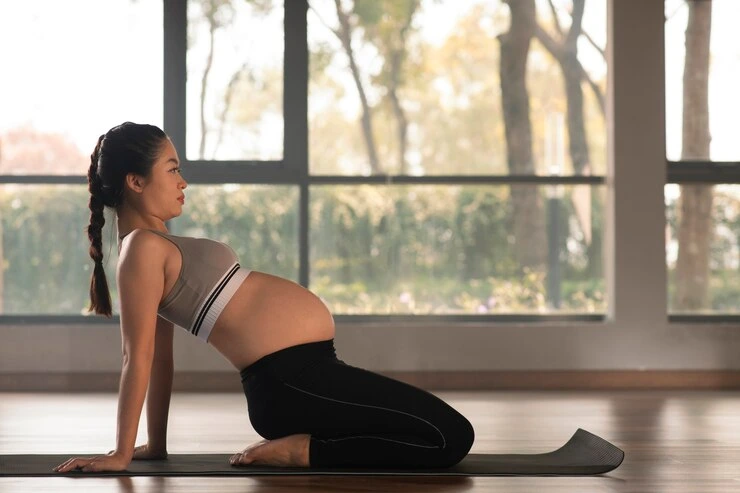
Emotional load and expectations
The Urban Doula understands that emotional load during pregnancy and early motherhood is often invisible, but deeply felt. In busy urban environments like NYC and NJ, where life moves fast and responsibilities stack quickly, this emotional weight can quietly build until it starts affecting your energy, mood, patience, and overall wellbeing.
Emotional load is not just about being “stressed.” It is the constant mental tracking of responsibilities, expectations, decisions, and concerns that sit in the background of your mind all day. For new and expecting mothers, this often includes worrying about the baby, managing household tasks, planning appointments, maintaining relationships, and trying to meet personal or social expectations at the same time.
Expectations play a big role in this experience. Many mothers feel pressure to be calm, organized, grateful, productive, and emotionally balanced even during a physically and emotionally intense phase of life. When reality does not match these expectations, it can create feelings of guilt or self-doubt. But in truth, this stage of life is not meant to be perfectly balanced — it is meant to be deeply transitional.
In city life, emotional load can feel heavier because there is less downtime between responsibilities. Commuting, noise, work pressure, and limited personal space can make it harder for the mind to fully rest. This creates a cycle where emotional fatigue builds even when physical tasks seem manageable.
One of the most important steps in managing emotional load is recognizing that not everything needs to be carried internally. Sharing responsibilities, asking for help, and letting go of unrealistic expectations are not signs of weakness — they are essential forms of emotional support.
Support systems, especially partners, play a key role in reducing emotional pressure by sharing tasks and providing reassurance. Even small acts of support can significantly reduce mental overload.
Ultimately, emotional load becomes easier to manage when expectations become more realistic and self-compassion becomes part of daily life. You are not meant to carry everything alone, especially during such a major life transition.

Partner communication
The Urban Doula recognizes that strong partner communication becomes one of the most important emotional supports during pregnancy, birth, and postpartum life. In urban environments where stress levels are already higher due to fast routines, work pressure, limited space, and constant stimulation, communication between partners can either reduce overwhelm or quietly add to it.
During this transition into parenthood, both partners are often processing different emotions at the same time. One may be physically experiencing pregnancy changes while the other is adjusting emotionally to new responsibilities, expectations, and uncertainty. Without clear communication, small misunderstandings can grow into stress, especially when sleep is limited and daily routines become more demanding.
Healthy partner communication is not about always agreeing — it is about staying connected and understood. This means expressing needs clearly instead of assuming they will be noticed, and listening without immediately trying to fix or dismiss emotions. Many challenges in early parenthood come not from lack of care, but from lack of clarity in communication.
In city life, where time together can already feel limited, even short check-ins can make a meaningful difference. Simple conversations about how each partner is feeling, what support is needed, or what feels overwhelming can help reduce emotional distance and build teamwork.
During pregnancy and postpartum, roles often shift quickly. One partner may take on more physical tasks while the other focuses on recovery and bonding with the baby. Without communication, these shifts can feel unfair or unbalanced. Talking openly about expectations helps prevent resentment and builds shared responsibility.
Emotional validation is also a key part of communication. Sometimes what is needed is not advice, but acknowledgement. Saying “I understand this is hard” can be more powerful than offering solutions.
Ultimately, partner communication is about creating a safe emotional space where both individuals feel heard, respected, and supported. In the intensity of urban parenting life, this connection becomes a stabilizing force that helps both partners move through change with more patience, clarity, and teamwork.

How to build supportive micro-routines
The Urban Doula focuses on helping parents build realistic systems that actually fit into urban life, where time, space, and energy are limited. Supportive micro-routines are small, repeatable actions that help stabilize your day without requiring long periods of free time or perfect conditions.
In pregnancy and early parenthood, large routines often fail because life is unpredictable. Sleep is broken, schedules shift, and emotional energy fluctuates. Micro-routines work better because they are flexible, short, and easy to maintain even on difficult days. Instead of trying to structure your entire day, you focus on creating small anchors that bring consistency.
A micro-routine can be as simple as two or three intentional actions. For example, a morning reset might include drinking water, taking a few slow breaths, and sitting quietly for one minute before starting your day. In the evening, it might be dimming the lights, stretching lightly, and stepping away from screens for a short period before sleep.
In city environments like NYC and NJ, where overstimulation is constant, these small moments help regulate your nervous system. They act as emotional pauses between busy transitions such as commuting, work, appointments, or caring for a newborn. For parents also considering their home environment, Professional drinking water testing in NYC can be one practical consideration when evaluating household surroundings. keywords(7)
The key to building effective micro-routines is not complexity but repetition. When a small action is repeated daily, your body begins to recognize it as a signal of safety and stability. Over time, these moments create a sense of grounding even when the outside environment feels chaotic.
Micro-routines should also feel realistic, not idealistic. If a routine feels too long or too demanding, it will likely break under stress. The goal is sustainability, not perfection. Even 30 seconds of intentional calm can be meaningful when repeated consistently.
These routines are especially powerful during pregnancy and postpartum because they support emotional regulation, reduce overstimulation, and create small pockets of control in otherwise unpredictable days.
Ultimately, supportive micro-routines are not about adding more to your life. They are about making your existing life feel more manageable, steady, and emotionally supported through small, intentional habits.

When to seek extra support
The Urban Doula recognizes that pregnancy, birth, and postpartum life can bring emotional, physical, and mental changes that feel overwhelming at times. In urban environments, where daily life is already fast-paced and overstimulating, it can be harder to notice when you’ve reached your limit — or harder to feel like you “have time” to ask for help.
Seeking extra support is not a sign that you are struggling in the wrong way. It is a healthy response to pressure, change, and emotional overload. Many parents wait too long, thinking they should be able to manage everything on their own, but support is most effective when it is accessed early rather than in crisis.
One clear sign that extra support may be needed is when daily functioning starts to feel consistently difficult. This might include ongoing exhaustion that does not improve with rest, difficulty sleeping even when the baby is asleep, or feeling emotionally flat, anxious, or overwhelmed most of the day. When small tasks start to feel unusually heavy, it is worth paying attention.
Another indicator is emotional intensity that feels hard to regulate. Frequent feelings of sadness, irritability, panic, or disconnection from yourself or your baby can be signs that additional support could help you stabilize and feel more grounded.
Support is also important when you feel isolated. Urban living can sometimes create physical closeness but emotional distance. Even if people are around you, you may still feel alone in your experience. This is a valid reason to reach out for help.
Extra support can come in many forms — from partners, family, friends, postpartum doulas, support groups, or mental health professionals. It does not always mean something “serious is wrong.” Often, it simply means you need more space, rest, guidance, or reassurance than you currently have.
The goal is not to wait until things become unmanageable. The goal is to notice early signals, trust your experience, and bring in support that helps you feel more steady, understood, and emotionally held during this transition into parenthood.

Managing anxiety in busy city spaces
The Urban Doula understands that anxiety during pregnancy and early motherhood can feel more intense in busy city environments, where noise, crowds, movement, and constant stimulation never fully stop. In places like NYC and NJ, the outside world keeps moving fast even when your internal world is already going through major change. This combination can quietly overload your nervous system.
Anxiety in city spaces often doesn’t show up all at once. It builds gradually through everyday exposure — crowded subways, traffic, long lines, work pressure, loud streets, and lack of quiet moments. During pregnancy and postpartum, your sensitivity to these inputs increases, making situations that once felt normal suddenly feel overwhelming or emotionally draining.
Managing anxiety in this environment starts with awareness. Recognizing what triggers your stress is the first step toward reducing its impact. For some people, it’s noise and crowds. For others, it’s time pressure, commuting, or feeling like there is no space to pause during the day.
Grounding techniques can help bring your nervous system back to balance in real time. Slow breathing, focusing on physical sensations (like feet on the ground), stepping away from stimulation for a few minutes, or simply reducing sensory input can help interrupt the anxiety cycle. Even small pauses can create emotional relief when used consistently.
It is also important to create “micro-safe spaces” within your daily routine. These are not physical rooms, but small intentional moments where your nervous system gets a break — sitting quietly before starting your day, taking a slower walk, or limiting digital overload during sensitive times.
Support systems matter as well. Talking to a partner, friend, or support person about how you are feeling can reduce emotional pressure. Anxiety often feels heavier when it is carried alone.
Managing anxiety in city life is not about removing all stress — that is not realistic. It is about building enough internal calm, awareness, and support so that external chaos does not completely overwhelm your emotional state. Over time, these small practices help you feel more grounded, steady, and in control within unpredictable urban environments.