Pregnancy Support
Navigating pregnancy in a city environment
Pregnancy in a city environment is very different from what most people expect when they first imagine this journey. Life does not slow down around you — it keeps moving fast. Crowded streets, loud traffic, packed trains, work pressure, and constant activity all continue while your body is going through major physical and emotional changes.
The Urban Doula focuses on helping you understand that this experience is normal for urban parents. You are not meant to “push through” pregnancy as if nothing is changing. Instead, you are learning how to adapt your energy, your expectations, and your daily routine in a much more demanding environment.
One of the biggest challenges is overstimulation. City life does not offer natural quiet space. Noise, movement, people, and constant sensory input can easily overwhelm your nervous system, especially during pregnancy. This is why emotional awareness becomes just as important as physical health.
Another challenge is lack of rest time. Commuting, walking, standing, working, and handling responsibilities can leave very little space for recovery during the day. This is where small intentional pauses become powerful — even short moments of rest can help reset your energy.
Pregnancy in a city also requires emotional flexibility. Not every day will feel balanced. Some days you will feel strong, other days you will feel drained. Both are valid. The goal is not perfection, but awareness — noticing when your body is asking for rest and responding without guilt.
You also learn to build micro-support systems. These are small adjustments in your routine that reduce pressure — choosing slower travel routes, simplifying tasks, reducing unnecessary commitments, and protecting your emotional space. If household water is another consideration during pregnancy, checking drinking water for lead in New York City can provide a practical way to investigate potential water-related concerns.
Most importantly, this journey is not about doing everything alone. It is about learning how to move through pregnancy with more care, more self-awareness, and more compassion for yourself in a fast-moving environment.
Urban pregnancy is challenging, but it is also deeply human. And you are allowed to move through it in a way that protects your wellbeing, not just your productivity.

Managing fatigue during commutes work
The Urban Doula understands that pregnancy fatigue becomes significantly harder when it’s layered on top of daily commuting, long work hours, and the nonstop pace of city life. In urban environments, rest is not always something you can fully control — it has to be created in small, intentional ways throughout the day.
Fatigue during pregnancy is not just “feeling tired.” It’s a full-body energy shift that affects focus, patience, physical strength, and emotional balance. When you add crowded trains, traffic delays, long walks between stations, standing in queues, and demanding work schedules, the exhaustion can feel constant rather than occasional.
The goal in managing this stage is not to push through it, but to work with your energy instead of against it. That means planning your day with more awareness of when your body needs pauses, even if those pauses are short. Micro-rests during the day can make a noticeable difference — sitting when possible, slowing down transitions between tasks, and reducing unnecessary movement.
Commute planning also plays a big role. Adjusting timing when possible, choosing less physically demanding routes, and preparing your essentials in advance can reduce stress before the day even begins. Small decisions like hydration, nutrition, and pacing your steps matter more during pregnancy than they normally would.
At work, fatigue management often comes down to realistic expectations. Pregnancy already requires continuous physical effort in the background, even when you are sitting still. Giving yourself permission to slow your output, take short breaks, and reduce overload is not a luxury — it is a form of protection.
The most important shift is understanding that energy is limited during this phase. Instead of trying to match your pre-pregnancy pace, the focus becomes sustainability. When you conserve energy early in the day, you reduce the risk of complete burnout later.
Managing fatigue in a city is not about doing more. It is about doing less, more intentionally, so your body has space to carry you through pregnancy with less strain and more stability.

Pregnancy safe movement stretching
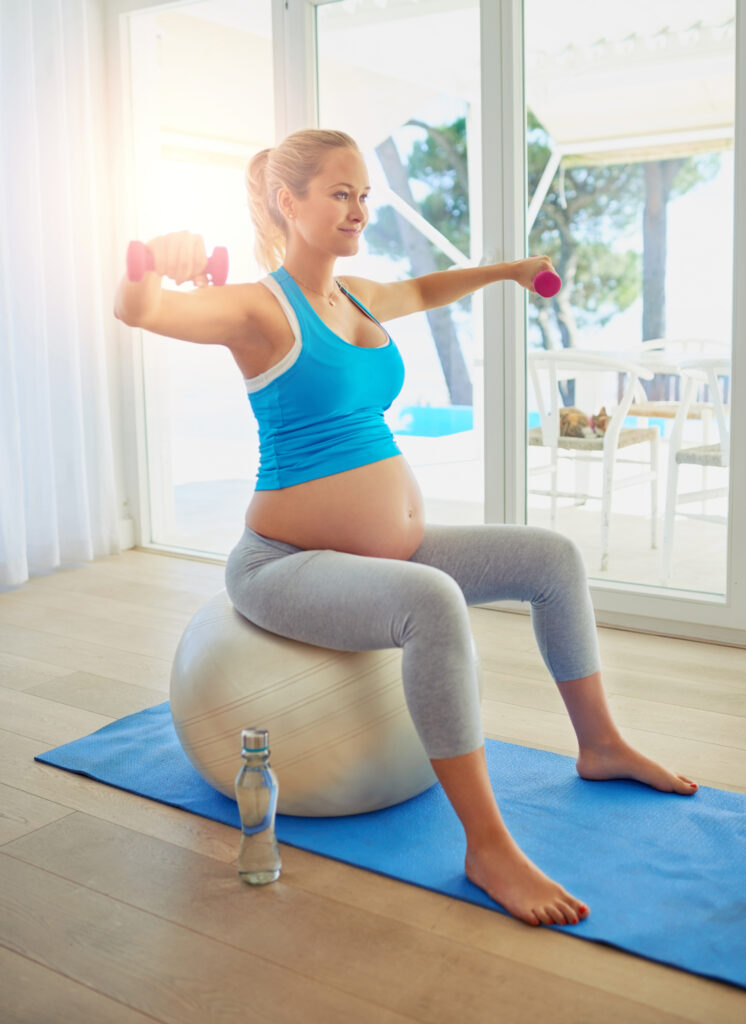
The Urban Doula encourages a simple truth that often gets overlooked during pregnancy in busy city life: movement does not need to be intense to be effective. During pregnancy, the most supportive form of movement is often slow, gentle, and consistent rather than structured or high effort.
In urban environments, the body carries extra physical load through everyday routines such as commuting, standing, walking on hard surfaces, climbing stairs, and sitting for long periods. Over time, these activities can contribute to tension in the lower back, hips, shoulders, and legs. Pregnancy-safe movement is about gently releasing that built-up pressure rather than adding more stress to the body.
Gentle stretching can support circulation, reduce stiffness, and improve overall comfort. Simple movements such as slow hip openers, light spinal rotations, and controlled breathing-based stretches can help the body feel more relaxed. The focus is not flexibility or performance, but relief and awareness.
One of the most important aspects of pregnancy-safe movement is listening to your body instead of pushing it. Some days your energy will feel higher, while on other days even a few minutes of movement may feel like enough. Both are valid. The goal is not consistency in intensity, but consistency in care.
Movement can also support emotional wellbeing. In overstimulating city environments, the nervous system can feel overloaded by noise, pressure, and constant activity. Slow stretching and mindful breathing create moments of calm within an otherwise fast-moving day.
You do not need a gym, equipment, or a large space to support your body. Even a few minutes in a small apartment, near a window, or beside your bed can help release tension and improve comfort. Creating a comfortable home environment can also include understanding household factors that matter during pregnancy, including certified water testing services in Manhattan when water quality is a concern.
Pregnancy-safe movement is not about changing your body into something new. It is about supporting the body you already have as it carries you through a physically and emotionally demanding transition.
Setting boundaries and managing overstimulation
The Urban Doula recognizes that pregnancy in a city is not just physically demanding, it is mentally and emotionally overstimulating. Noise, crowds, constant notifications, work pressure, travel stress, and social expectations can quietly build up until your nervous system feels overloaded.
Setting boundaries during this stage is not about withdrawing from life — it is about protecting your energy so your body can actually do the work of pregnancy in a healthier, more stable way. In urban environments, where everything moves fast and access to quiet is limited, boundaries become one of the most important tools for emotional balance.
Overstimulation often shows up subtly at first: irritability, exhaustion that doesn’t improve with sleep, difficulty focusing, emotional sensitivity, or feeling “on edge” in normal situations. These are signals, not weaknesses. Your system is asking for less input, not more effort.
Learning to manage this begins with awareness of your triggers. For some people, it is long commutes and noise. For others, it is social interactions, work pressure, or even constant digital engagement. Once you recognize what drains you, you can start adjusting your exposure in small but meaningful ways.
Boundaries can be practical as well as emotional. This might mean limiting unnecessary commitments, reducing time in overstimulating environments, taking quiet breaks during the day, or simply giving yourself permission to step back without guilt. Even short moments of silence or reduced stimulation can help reset your nervous system.
Managing overstimulation is also about internal regulation. Simple grounding practices, slow breathing, stepping away from screens, or spending time in calmer environments can help your body return to balance.
The goal is not to eliminate city life — that’s not realistic. The goal is to create enough internal and external space so your pregnancy feels supported rather than overwhelmed.
When boundaries are consistent, overstimulation becomes easier to manage, and your emotional energy becomes more stable, allowing you to move through pregnancy with greater calm and clarity.

How to nest in small spaces
The Urban Doula understands that many parents do not prepare for birth in large, spacious homes. Instead, pregnancy often happens in apartments, shared housing, walk-ups, or compact city living spaces where every inch matters. Nesting in this reality is not about creating a picture-perfect nursery — it is about building calm, function, and emotional readiness within the space you already have.
Nesting in small spaces starts with shifting the mindset from “more” to “enough.” You do not need excessive items or complicated setups. What matters most is accessibility, simplicity, and reducing daily stress. When everything has a clear place and essentials are easy to reach, your environment naturally feels more supportive during pregnancy and postpartum recovery.
In small apartments, clutter can quickly increase emotional overwhelm. A calm nesting approach focuses on removing unnecessary items first rather than adding more. This creates visual and mental space, which directly impacts how grounded and relaxed you feel in your environment.
Functionality is more important than decoration. Think in terms of daily routines — feeding, changing, resting, and organizing baby essentials in a way that reduces movement and effort. Even simple changes, like creating a dedicated corner for baby supplies or keeping frequently used items within arm’s reach, can make a big difference.
Lighting and sound also play a major role in small-space nesting. Soft lighting, reduced noise when possible, and intentional quiet moments help create a calmer emotional environment, even in busy city surroundings.
Most importantly, nesting is not about preparing for a “perfect” version of parenthood. It is about preparing for real life — nights with limited sleep, unpredictable routines, and emotional adjustment. When your space supports simplicity instead of stress, you naturally feel more capable and grounded.
Small-space nesting is about intention, not size. With thoughtful organization and realistic expectations, even the smallest apartment can become a space that supports rest, recovery, and early parenting with more ease and emotional comfort.

Prenatal appointments in busy NYC/NJ hospitals
The Urban Doula understands that prenatal care in busy city hospitals often feels rushed, crowded, and emotionally overwhelming. In places like NYC and NJ, healthcare systems move fast, appointments are packed, and waiting rooms are often full — which can make it difficult for expecting parents to feel fully seen, heard, or calm during what is already an emotional stage of life.
Prenatal visits are meant to support you and your baby, but the environment itself can sometimes add stress. Long wait times, limited one-on-one consultation time, multiple patient flow, and the fast pace of hospital staff can leave you feeling like you didn’t get enough clarity or emotional reassurance before leaving.
This is why preparation becomes so important. Writing down your questions before each appointment helps you stay focused in short consultation windows. Keeping a simple pregnancy journal or notes on your phone can make it easier to remember concerns, symptoms, or changes you want to discuss. Even small preparation steps can help you feel more in control inside a system that often feels rushed.
Timing also matters in city environments. Travel delays, traffic, parking issues, elevator waits, and hospital check-ins can all affect how you arrive emotionally and physically to your appointment. Giving yourself extra time reduces stress and helps you enter the space more grounded instead of rushed.
It is also important to remember that you are allowed to slow the conversation down. Even in fast-paced hospital systems, you can ask for clarification, repeat information back, or request more explanation if something doesn’t feel clear. Your comfort and understanding matter.
Prenatal appointments are not just medical checkpoints — they are part of your emotional preparation for birth. Feeling informed, supported, and respected during these visits can significantly influence how confident you feel as your pregnancy progresses.
The goal is not to control the system, but to navigate it with more awareness, preparation, and emotional steadiness so you feel less overwhelmed and more supported throughout your care journey.

Emotional preparation for birth
The Urban Doula recognizes that birth is not only a physical experience — it is deeply emotional, unpredictable, and often shaped by how supported and grounded you feel in the moment. In busy urban environments, where life already moves fast and systems feel overwhelming, emotional preparation becomes just as important as physical preparation.
Many expecting parents focus heavily on logistics — hospital bags, timing, transportation, and medical details — but emotional readiness is what often shapes how the experience actually feels. Birth can shift quickly. Plans can change. Sensations can intensify. Environments can feel unfamiliar. Emotional preparation helps you stay steady through those changes instead of feeling overwhelmed by them.
One of the most important parts of this process is learning how to stay present inside uncertainty. Birth does not follow a perfect script, and trying to control every detail often increases stress. Instead, emotional preparation is about building trust in your ability to respond, adapt, and stay connected to yourself even when things evolve differently than expected.
Grounding techniques can play a powerful role here. Simple breathing practices, focusing on physical sensations, and using calming internal cues can help you stay anchored during intense moments. These tools are not about eliminating fear, but about creating stability within it.
It is also important to acknowledge emotional expectations. Many people carry fears, stories, or assumptions about birth from others or past experiences. Processing these emotions ahead of time — rather than ignoring them — can reduce emotional overwhelm during labor.
Support systems also matter. Knowing who will be with you, how they can support you, and what kind of emotional presence you need can significantly impact how safe and calm you feel during birth.
Emotional preparation is not about achieving a perfect mindset. It is about building flexibility, awareness, and inner steadiness so that no matter how birth unfolds, you feel more connected to yourself, your body, and your experience.

Creating pregnancy routines that reduce stress
The Urban Doula supports the idea that pregnancy feels more manageable when your day has a gentle structure that reduces uncertainty, pressure, and emotional overload. In busy city life, where schedules are unpredictable and stimulation is constant, routines are not about control — they are about creating stability inside chaos.
Stress during pregnancy often builds slowly through small things: rushed mornings, inconsistent meals, lack of rest, constant notifications, commuting fatigue, and emotional pressure from work or environment. Without noticing it, your nervous system can stay in a state of tension throughout the day. A supportive routine helps interrupt that cycle.
A stress-reducing pregnancy routine does not need to be complicated. It works best when it is simple, repeatable, and realistic for urban living. For example, starting your morning with a few quiet minutes before engaging with your phone or work can help set a calmer tone for the rest of the day. This small pause gives your body time to regulate before external demands begin.
During the day, building intentional rest moments is key. Even in a busy schedule, short breaks to breathe, hydrate, or step away from overstimulation can help reset your energy. These micro-pauses are especially important when commuting, working long hours, or moving through crowded environments.
Evening routines are equally important. Reducing screen time, lowering environmental stimulation, and giving your body time to slow down can improve emotional balance and sleep quality. Consistency matters more than perfection — your routine should support you, not stress you further.
Pregnancy is also an emotional transition, so routines should include space for mental grounding. This can be reflection, journaling, slow movement, or simply sitting in silence. These moments help your nervous system feel safe and supported.
The goal is not to build a strict schedule, but to create a rhythm that protects your energy. When your day has predictable moments of calm, your body feels less reactive to the unpredictability of city life. Over time, this reduces stress and helps you move through pregnancy with more emotional stability, clarity, and ease.